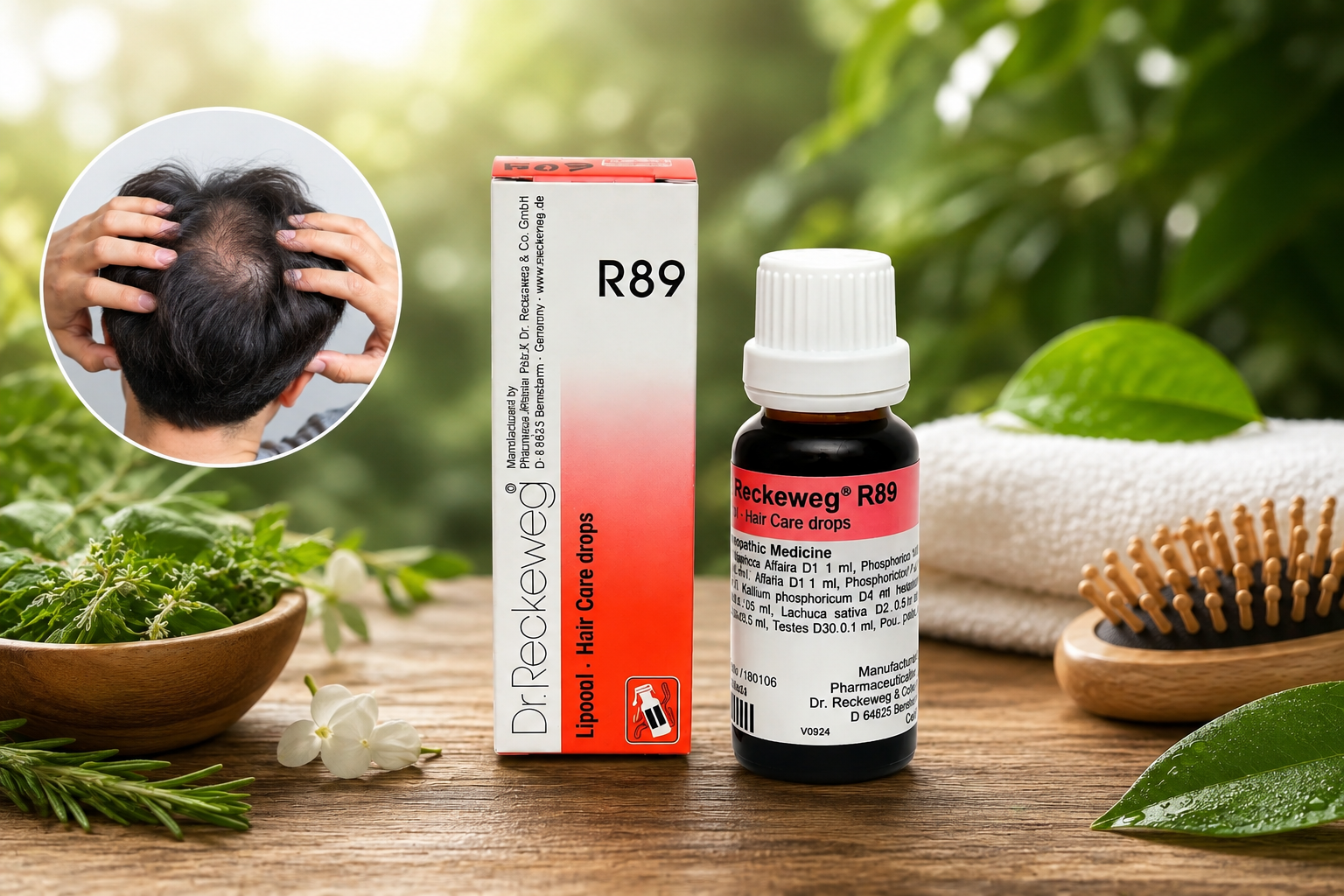


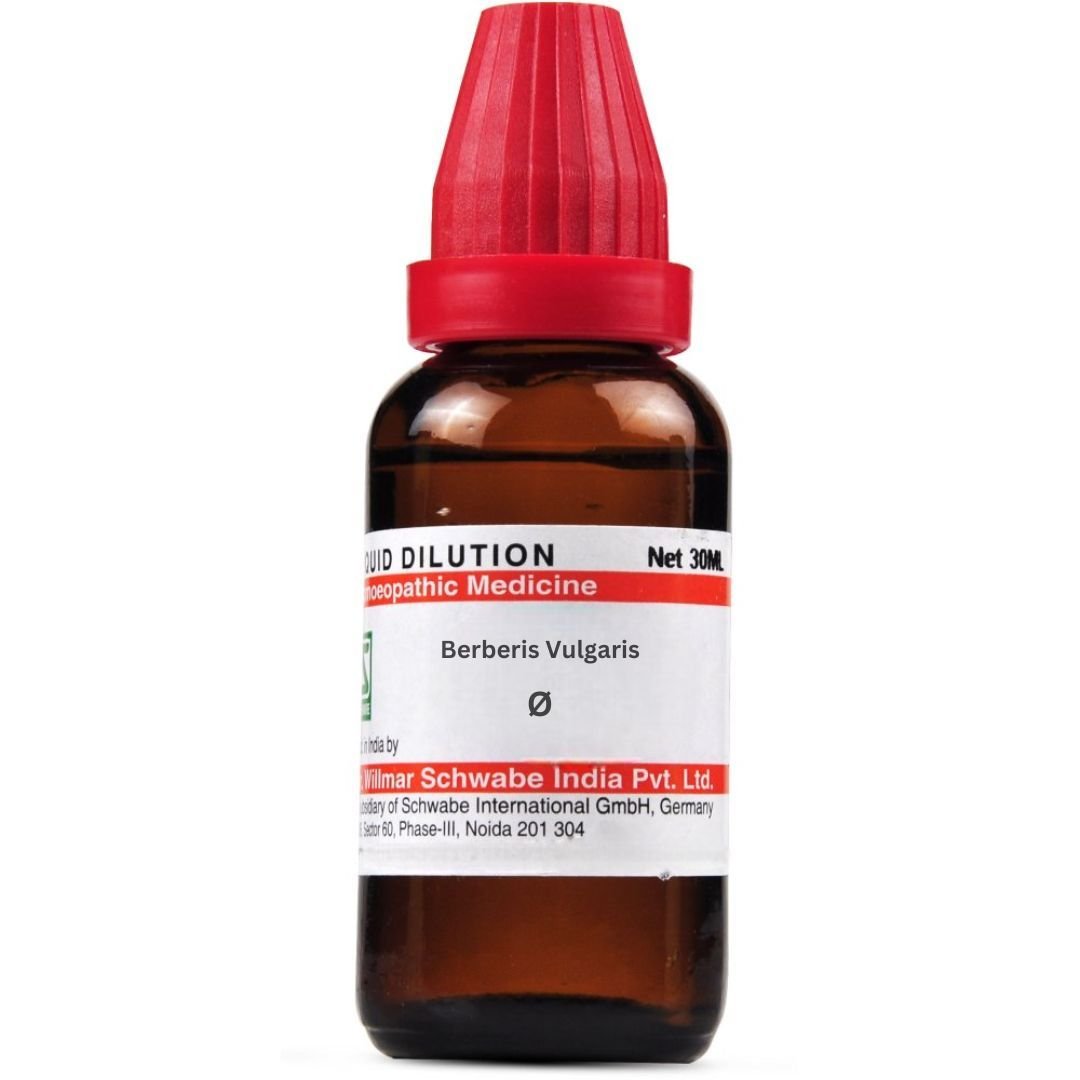

If you are new to shopping for remedies, learning how to read a homeopathic remedy label can make the experience feel much clearer. A bottle may show a Latin remedy name, a potency such as 6C or 30C, a liquid volume, and a brand name—all of which describe the product, not a guarantee of a health outcome.
Homeopathy is used by some people as a complementary wellness approach. However, it should not replace diagnosis, proven medical treatment, prescribed medicines, or recommended vaccines. This simple guide explains what common label terms mean, how to compare product forms, and when it is wiser to speak with a qualified health professional first.
how to read a homeopathic remedy label: Start with the remedy name
The largest words on the front label are usually the remedy name. Many homeopathic products use Latin or botanical names. For example, Arnica Montana is a product name you may see in the Homeopathy Depot catalog.
A remedy name tells you which preparation is in the bottle. It does not show that the product is appropriate for your symptoms. Classical homeopathy traditionally individualizes selection, so people with similar concerns may be advised differently by a practitioner.
Before buying, match the spelling on the product page with the label and confirm the brand. If anything is unclear, ask rather than guessing.
How to read a homeopathic remedy label: understand potency
The letters and numbers after a remedy name are called a potency. They describe the preparation scale used in homeopathy. They do not work like a conventional medication dose, where a larger number necessarily means more active ingredient or a stronger clinical effect.
What does the “C” mean?
A C potency refers to the centesimal scale used in homeopathic preparation. In traditional homeopathic terminology, each step is a 1-to-100 dilution followed by shaking, often called succussion.
For example, a label may show:
- 6C
- 30C
- 200C
- 1M or 10M
The number is the number of preparation steps on that scale. The letter M is traditional notation used for higher centesimal potencies. It is not a milligram measurement.
You can see several of these options—6C, 30C, 200C, 1M, and 10M—listed on the live Arnica Montana product page. These labels help customers identify the exact variant, but they should not be used as a self-diagnosis tool.
What about X, D, Q, or mother tincture?
You may also encounter other label abbreviations. X or D generally refers to a decimal scale, traditionally prepared in 1-to-10 steps. A mother tincture, often marked Q, is a different type of preparation and may contain measurable plant material. That distinction matters: products with active ingredients can have side effects, interactions, and precautions.
For this reason, do not assume every product sold under a homeopathic or natural-health label has the same ingredients or risk profile. Read the full label and product description every time.
Check the form and amount in the bottle
The same remedy name may be sold in more than one form. Common forms include liquid dilutions, pellets, tablets, creams, gels, and ointments. A label should identify the form and the amount, such as 30 mL, tablet count, or pellet quantity.
On Homeopathy Depot, the Dilutions category lets shoppers browse liquid preparations, while the wider Homeopathy category includes several product types. Product form affects how a product is handled and what ingredients may be present, so it is an important part of reading the label—not just a packaging detail.
For liquid products, look for information about the base or inactive ingredients. Some may contain alcohol. For topical products, check all ingredients and avoid applying them to broken skin unless the product instructions and a health professional say it is appropriate.
Review ingredients, directions, and warnings before checkout
Use this quick buying routine:
- Read the complete product page and package label. Verify the name, potency, form, size, and brand.
- Check active and inactive ingredients. This matters especially for liquids, combination products, and children’s products.
- Follow manufacturer directions. Do not invent a schedule or combine products because their names sound similar.
- Check storage instructions. Keep products in their original packaging, away from children, heat, moisture, and sunlight.
- Keep a list of what you use. Share remedies, supplements, and medicines with your pharmacist or clinician.
Be cautious with wording such as “natural,” “traditional,” or “homeopathic.” It does not prove effectiveness for a disease or suitability for everyone.
Important safety note: complementary does not mean risk-free
It is reasonable to want more information before trying any wellness product. The U.S. National Center for Complementary and Integrative Health notes that there is little evidence supporting homeopathy as an effective treatment for any specific health condition. It also warns that some products labeled homeopathic may contain substantial active ingredients and can cause side effects or drug interactions. Read its evidence-based overview: Homeopathy: What You Need To Know.
Do not use homeopathic products to replace emergency care, prescribed treatment, or preventive care. Do not stop or change a prescription without speaking to the clinician who prescribed it. Pregnant or nursing people, parents considering a product for a child, and people with ongoing medical conditions should ask a licensed health professional or pharmacist for individualized advice before use.
Red flags: seek medical care promptly
Get urgent medical help for trouble breathing, chest pain, signs of stroke, severe allergic reaction, fainting, confusion, seizures, uncontrolled bleeding, or thoughts of self-harm. Seek prompt medical evaluation for a high or persistent fever, severe or worsening pain, dehydration, a rapidly spreading rash, or symptoms that are new, worsening, or not improving.
Homeopathy should never be used instead of recommended immunizations or to delay evaluation of a potentially serious condition.
FAQs about reading homeopathic remedy labels
Does a higher potency number mean a stronger medicine?
Not in the same way as a conventional dose. In homeopathic labeling, the number and letters identify the preparation scale and steps. They do not establish which product is appropriate, effective, or safe for an individual. Ask a qualified professional for advice rather than selecting a higher number on your own.
Can I choose a remedy from the label based on my diagnosis?
A label cannot diagnose a condition or replace clinical advice. If you have persistent, severe, or unexplained symptoms, start with a licensed healthcare professional. A qualified homeopathic practitioner can discuss traditional use in a complementary context, but medical evaluation remains important.
How can I shop more confidently?
Use the exact product name, potency, form, and size; read the ingredients and directions; and buy from a retailer that provides clear product information. For more background before shopping, see Homeopathy Depot’s beginner’s guide to choosing the right remedy.