


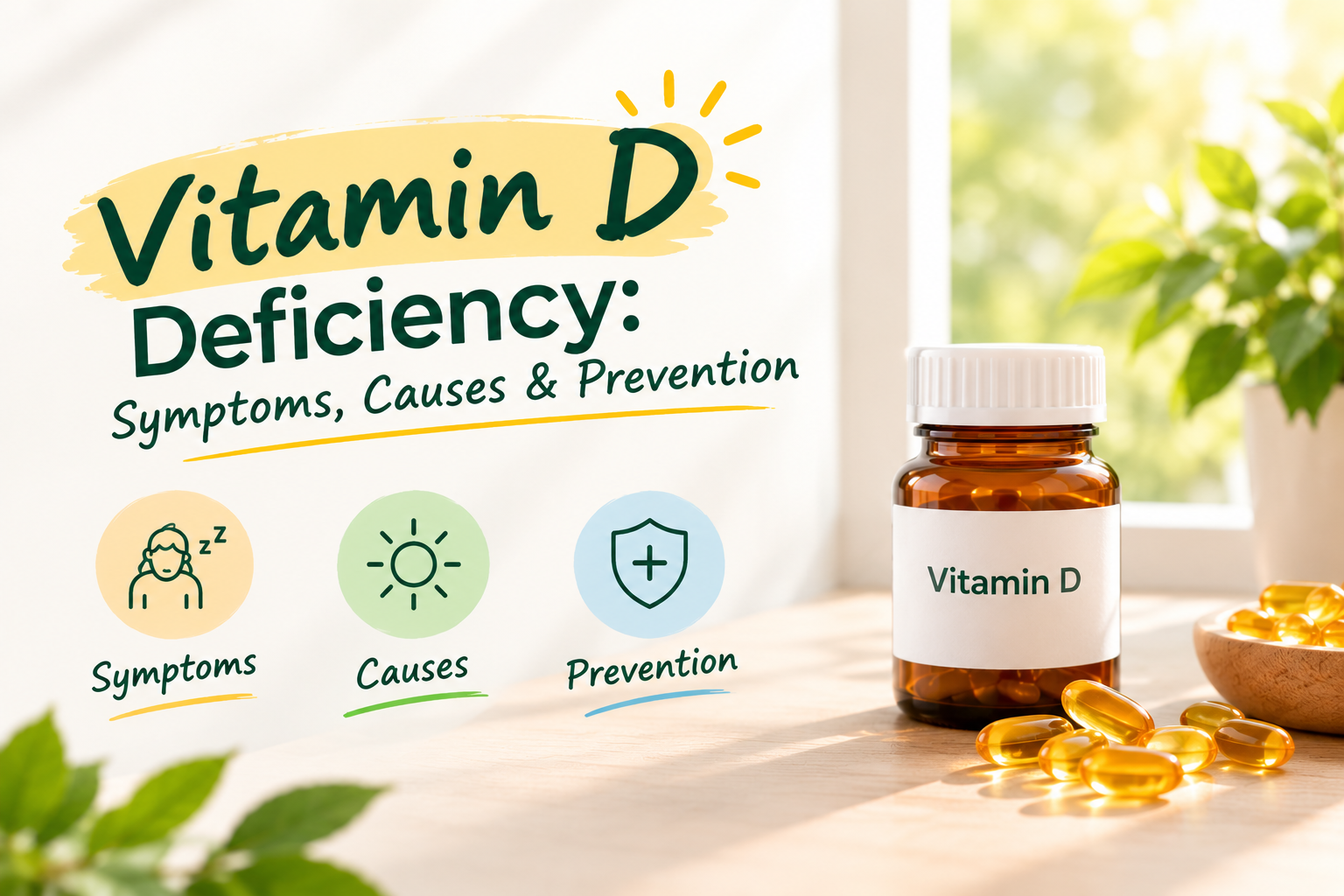
Vitamin D plays an important role in maintaining healthy bones, muscles, and teeth. However, many people do not get enough vitamin D from sunlight and food, particularly during months when daylight is limited. Low vitamin D levels can affect people of different ages and may contribute to bone problems if the deficiency becomes severe.
Vitamin D deficiency is especially worth understanding in European countries, where sunlight exposure varies considerably by season, location, and lifestyle. People who spend most of their time indoors may also find it difficult to maintain adequate levels.
Although tiredness and muscle discomfort can occur for many reasons, they do not automatically mean that someone has a vitamin D deficiency. Understanding the risk factors, recognising possible symptoms, and seeking appropriate testing can help people make informed decisions about their health.
This guide explains vitamin D deficiency, its common causes, possible symptoms, dietary sources, prevention strategies, and the safe use of supplements.
What Is Vitamin D Deficiency?
Vitamin D deficiency occurs when the body does not have enough vitamin D to support its normal functions.
One of vitamin D’s main roles is helping the body absorb calcium and phosphorus. These minerals are essential for maintaining strong bones and teeth. Vitamin D also supports normal muscle function.
The body can produce vitamin D when skin is exposed to ultraviolet B (UVB) rays from sunlight. People can also obtain it from certain foods and dietary supplements.
However, vitamin D production depends on several factors, including season, geographical location, skin pigmentation, clothing, and time spent outdoors.
According to the [NHS guide to vitamin D], insufficient vitamin D can contribute to bone conditions such as rickets in children and osteomalacia in adults.
What Are the Symptoms of Vitamin D Deficiency?
Vitamin D deficiency does not always cause noticeable symptoms. Some people discover that their levels are low only after a healthcare professional recommends a blood test.
When deficiency becomes significant, possible symptoms include:
- Bone pain or tenderness
- Muscle weakness
- Muscle discomfort
- Difficulty climbing stairs or getting up from a chair
- Increased risk of falls in some older adults
- Bone problems associated with prolonged deficiency
Children with severe deficiency may develop rickets, which affects normal bone development. In adults, severe deficiency can contribute to osteomalacia, a condition that causes soft and painful bones.
Some people also report tiredness. However, fatigue has many possible causes, including sleep problems, anaemia, thyroid conditions, and other medical issues.
Therefore, symptoms alone cannot confirm vitamin D deficiency. If you have persistent symptoms or concerns about your vitamin levels, consult a healthcare professional.
What Causes Low Vitamin D Levels?
Several factors can contribute to vitamin D deficiency. In many cases, more than one factor is involved.
1. Limited Sunlight Exposure
Sunlight helps the skin produce vitamin D. People who spend little time outdoors may therefore have a higher risk of low levels.
This can affect people who work indoors, have limited mobility, or rarely spend time outside during daylight hours.
2. Seasonal Changes
Sunlight intensity changes throughout the year. In some European regions, the sun is not strong enough for sufficient vitamin D production during parts of autumn and winter.
As a result, seasonal changes can influence vitamin D status, particularly among people who already have limited dietary sources.
3. Dietary Intake
Only a limited number of foods naturally contain substantial amounts of vitamin D.
People who rarely eat oily fish, eggs, or other vitamin D sources may have difficulty meeting their needs through diet alone.
Some foods, including certain breakfast cereals and plant-based drinks, are fortified with vitamin D. However, fortification practices vary between countries and products.
4. Skin Pigmentation
Melanin, the pigment that gives skin its colour, reduces the skin’s production of vitamin D in response to sunlight.
Consequently, people with darker skin may need particular attention to their vitamin D intake, especially when sunlight exposure is limited.
5. Age
As people age, their skin becomes less efficient at producing vitamin D from sunlight.
Older adults may also spend less time outdoors or have dietary and medical factors that increase their risk of deficiency.
6. Problems With Nutrient Absorption
Certain digestive conditions can reduce the absorption of vitamin D from food. Examples include some conditions that affect the absorption of dietary fat.
People who have undergone certain gastrointestinal procedures may also have an increased risk.
7. Certain Medical Conditions and Medicines
Some liver and kidney conditions can interfere with the processes involved in vitamin D metabolism.
Certain medicines may also affect vitamin D levels. If you have a chronic condition or take long-term medication, ask your healthcare professional whether you need additional assessment.
Who Is at Higher Risk of Vitamin D Deficiency?
Anyone can develop low vitamin D levels, but some groups have a higher risk.
These include:
- People who spend little time outdoors
- Older adults
- People with darker skin
- People who cover most of their skin when outdoors
- People who eat few vitamin D-rich foods
- People with certain digestive or absorption disorders
- People with some kidney or liver conditions
- Individuals taking medicines that affect vitamin D metabolism
Pregnant people, infants, and children may have specific vitamin D requirements. Supplement recommendations can differ according to age, country, diet, and individual circumstances.
If you belong to a higher-risk group, a healthcare professional can advise whether dietary changes, supplementation, or testing may be appropriate.
How Is Vitamin D Deficiency Diagnosed?
A blood test can help determine whether your vitamin D level is low.
Healthcare professionals generally assess a substance called 25-hydroxyvitamin D, often written as 25(OH)D. This is the main blood marker used to evaluate vitamin D status.
The interpretation of results depends on the laboratory, clinical guidelines, and the person’s individual circumstances.
Not everyone needs routine vitamin D testing. A clinician may recommend testing when symptoms, medical history, risk factors, or other findings suggest that it could be useful.
Avoid diagnosing yourself based on tiredness, muscle aches, or online symptom lists. These symptoms can have several possible explanations.
Foods That Contain Vitamin D
Food can contribute to vitamin D intake, although relatively few foods naturally contain large amounts.
Oily Fish
Oily fish, such as salmon, sardines, trout, and mackerel, can provide vitamin D.
Including fish in a balanced diet may help improve overall nutrient intake.
Egg Yolks
Egg yolks contain some vitamin D. The amount can vary depending on factors such as the hen’s diet.
Eggs can therefore contribute to vitamin D intake, although they may not provide enough on their own.
Fortified Foods
Some breakfast cereals, dairy products, plant-based drinks, and spreads have added vitamin D.
Check the nutrition label because fortification varies between brands and countries.
Other Food Sources
Certain mushrooms exposed to ultraviolet light may contain vitamin D. Some meat and other animal-derived foods also provide smaller amounts.
For more information about food sources and recommended intake, see the [NIH vitamin D fact sheet].
How Can You Help Prevent Vitamin D Deficiency?
Prevention involves considering your diet, sunlight exposure, health conditions, and individual risk factors.
Maintain a Balanced Diet
Include vitamin D-containing foods as part of a balanced eating pattern.
Oily fish, eggs, and appropriately fortified foods can all contribute. If you follow a vegetarian or vegan diet, check which fortified foods are suitable for your dietary preferences.
Diet alone may not be sufficient for everyone, particularly during seasons when sunlight exposure is limited.
Spend Time Outdoors Safely
Outdoor activity can support general wellbeing and provide opportunities for sunlight exposure.
However, vitamin D production depends on several factors, including the season, location, skin pigmentation, and amount of skin exposed.
Avoid sunburn and excessive UV exposure. Do not use prolonged, unprotected sun exposure as a substitute for appropriate nutrition or medical advice.
Consider Seasonal Guidance
In some countries, public health guidance recommends vitamin D supplementation during autumn and winter because sunlight may not provide enough UVB radiation for adequate production.
Recommendations differ between countries and population groups. Check the advice relevant to your location rather than assuming that the same dosage applies to everyone.
Discuss Supplements When Appropriate
Vitamin D supplements may be useful for people who cannot obtain enough through sunlight and diet.
However, the right approach depends on your age, risk factors, health conditions, and local recommendations. A healthcare professional or pharmacist can help you choose an appropriate product and amount.
Vitamin D Supplements: What Should You Know?
Vitamin D supplements are available in different strengths and formulations. Some products contain vitamin D2, while others contain vitamin D3.
Both forms can raise vitamin D levels. The appropriate choice depends on individual needs and the product’s formulation.
Before taking a supplement, check the amount of vitamin D per serving. Pay attention to the units, which may be listed in micrograms (mcg or µg) or international units (IU).
For reference, 1 microgram of vitamin D equals 40 IU.
Can You Take Too Much Vitamin D?
Yes. Taking excessive amounts of vitamin D supplements over time can cause vitamin D toxicity.
Excessive vitamin D can raise calcium levels in the blood, potentially damaging the kidneys and affecting other organs.
More is not necessarily better. Avoid taking high-dose supplements unless a healthcare professional recommends them.
If you are already taking a multivitamin, check whether it contains vitamin D before adding another supplement. This helps you avoid accidentally taking more than intended.
Should Everyone Take a Supplement?
Not everyone needs the same supplementation plan.
Public health recommendations vary by country, season, age, and risk factors. Some groups may be advised to take a supplement throughout the year, while others may need seasonal supplementation.
If you have a medical condition, are pregnant, or take medicines that may affect vitamin D metabolism, seek personalised advice before starting a high-dose product.
Can Homeopathy Treat Vitamin D Deficiency?
Homeopathy is used by some people as a complementary approach to wellbeing. However, it is important to distinguish traditional homeopathic use from evidence-based treatment for a nutrient deficiency.
Homeopathic products should not be presented as a proven way to correct low vitamin D levels. They should not replace appropriate testing, dietary guidance, or vitamin D supplementation when medically indicated.
If a blood test confirms a deficiency, discuss suitable treatment with a qualified healthcare professional. The amount and duration of supplementation may depend on how low your levels are and whether you have other medical conditions.
If you are interested in homeopathic products for general wellness, you can explore [Homeopathy Depot’s range of homeopathic products] and review the available product information. Product availability does not establish that a product can correct a vitamin deficiency.
When Should You Speak With a Healthcare Professional?
Seek medical advice if you experience persistent bone pain, unexplained muscle weakness, repeated falls, or other symptoms that concern you.
Professional advice is particularly important if you have a condition that affects nutrient absorption, a kidney or liver disorder, or a medical history that increases your risk of deficiency.
You should also seek guidance before using high-dose vitamin D supplements, especially if you take other medicines or have been diagnosed with a condition that affects calcium levels.
If a child has symptoms suggesting a bone problem or you are concerned about their vitamin D intake, consult a healthcare professional rather than choosing a supplement dose independently.
Frequently Asked Questions About Vitamin D Deficiency
What are the main signs of low vitamin D?
Possible signs include bone pain and muscle weakness, particularly when deficiency is significant. However, many people have no obvious symptoms, and a blood test may be needed to assess their vitamin D status.
Can lack of sunlight cause vitamin D deficiency?
Yes. Limited sunlight exposure can contribute to low vitamin D levels, especially during seasons when sunlight is insufficient for adequate vitamin D production.
Which foods contain vitamin D?
Oily fish, egg yolks, some mushrooms, and fortified foods can provide vitamin D. The amount varies by food and product.
Can I take vitamin D every day?
Daily supplementation may be appropriate for some people, depending on age, risk factors, and local public health recommendations. Follow the advice relevant to your circumstances and avoid excessive doses.
Can vitamin D supplements cause side effects?
Excessive intake can cause vitamin D toxicity and high blood calcium levels. This is why it is important to check supplement strength and avoid unnecessary high-dose products.
Does tiredness always mean vitamin D deficiency?
No. Tiredness has many possible causes. If it persists or affects your daily life, consult a healthcare professional rather than assuming you have a vitamin deficiency.
Can homeopathy replace vitamin D supplements?
Homeopathy is not an established method for correcting vitamin D deficiency. Follow evidence-based medical advice if testing identifies low levels.
Conclusion
Vitamin D supports healthy bones, teeth, and muscles. However, limited sunlight exposure, dietary factors, certain medical conditions, and other risk factors can contribute to deficiency.
A balanced diet, appropriate sunlight exposure, and supplements when recommended can help people maintain adequate vitamin D levels. At the same time, persistent bone pain or muscle weakness should not be ignored.
Most importantly, do not rely on symptoms alone to diagnose a deficiency. Seek professional advice when appropriate, and use supplements responsibly.
Understanding your risk factors and following reliable health guidance can help you make informed decisions about vitamin D and long-term wellbeing.