

What Is High Blood Pressure?
High blood pressure, or hypertension, occurs when the pressure of blood against the walls of the arteries remains too high.
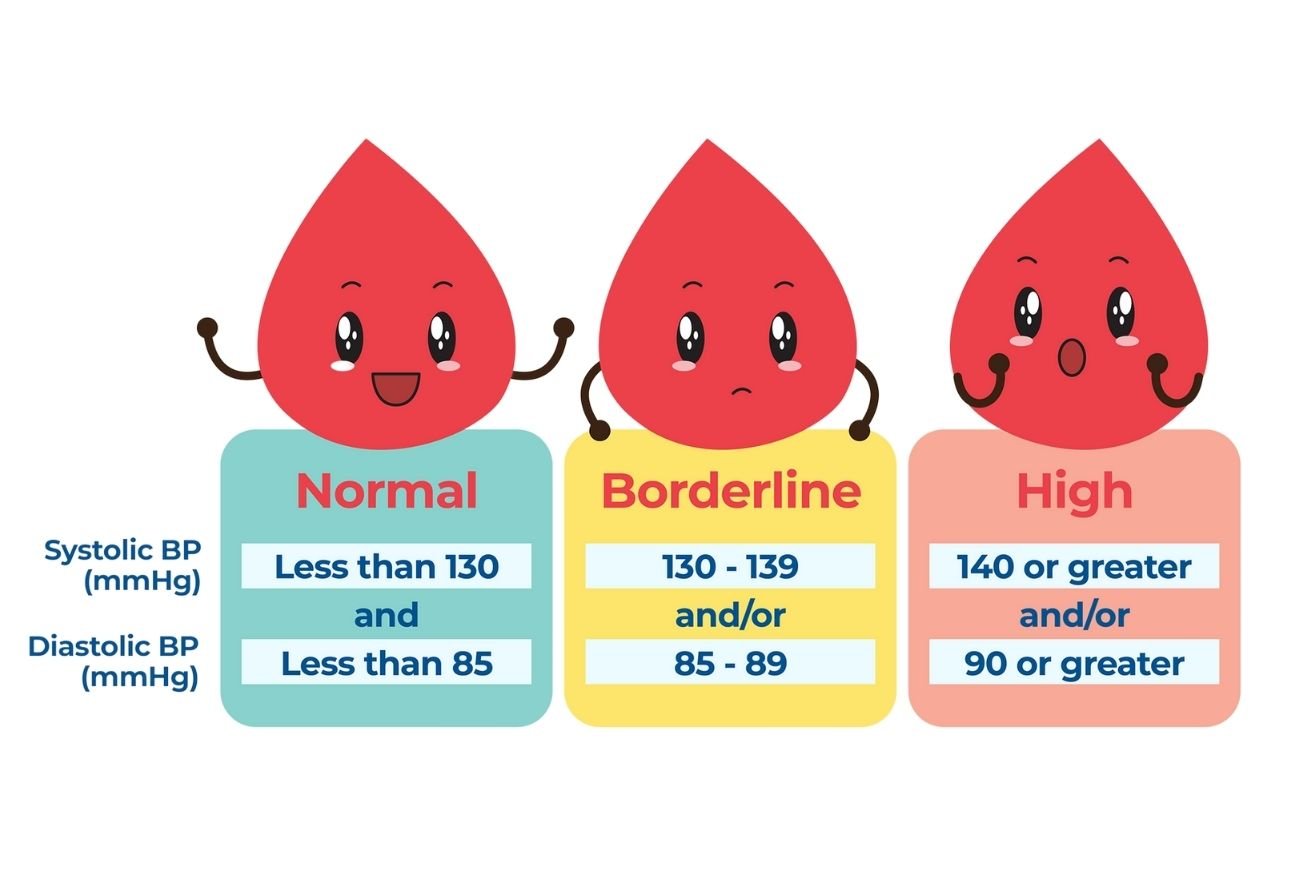
A blood pressure reading contains two numbers. The first number is systolic pressure, which represents the pressure when the heart contracts. The second is diastolic pressure, which represents the pressure when the heart relaxes between beats.
WHO defines hypertension as blood pressure of 140/90 mmHg or higher when measurements are taken on two different days.
However, blood pressure can change throughout the day. Physical activity, stress, caffeine, illness, and other factors can temporarily affect a reading. Therefore, healthcare professionals may recommend repeated measurements before confirming a diagnosis.
Why Is High Blood Pressure a Major Health Concern?
Hypertension can develop quietly. A person may feel completely well while their blood pressure remains elevated.
According to WHO’s current hypertension information, an estimated 1.4 billion adults aged 30–79 years worldwide had hypertension in 2024. WHO also reports that many people with hypertension remain unaware of their condition.
This makes regular monitoring especially important.
Over time, uncontrolled hypertension can increase the risk of cardiovascular and other complications, including heart disease, stroke, and kidney disease.
For readers interested in European health and wellness, our guide on [homeopathic medicines in Europe] can also provide useful information about ordering and accessing homeopathic products internationally.
What Causes High Blood Pressure?
It does not always have one single cause. Instead, several lifestyle, genetic, environmental, and health-related factors can contribute to elevated blood pressure.
Common risk factors include:
- High salt intake
- Physical inactivity
- Excess body weight
- Smoking or tobacco use
- Excessive alcohol consumption
- Unhealthy dietary habits
- Increasing age
- Family history
- Diabetes
- Kidney disease
- Certain medicines and medical conditions
- Long-term exposure to some environmental factors
Because several factors can contribute simultaneously, blood pressure management often involves more than one lifestyle change.
Common Risk Factors for Hypertension
High Salt Intake
Eating too much salt can contribute to raised blood pressure. Processed foods, ready-made meals, salty snacks, sauces, and processed meats can contain substantial amounts of sodium.
Reading food labels and choosing lower-salt alternatives can therefore be useful.
Lack of Physical Activity
A sedentary lifestyle can increase cardiovascular risk. Regular movement, such as walking, cycling, swimming, or other enjoyable activities, can support overall cardiovascular health.
Excess Body Weight
Being overweight or obese can increase the risk of It. Sustainable weight management can therefore form an important part of a healthy lifestyle.
Smoking
Tobacco use increases cardiovascular risk. Quitting smoking can provide important benefits for heart and blood-vessel health.
Alcohol Consumption
Drinking too much alcohol can contribute to raised blood pressure. Reducing excessive alcohol intake can therefore support better cardiovascular health.
Age and Family History
The risk of hypertension generally increases with age. Family history can also influence an individual’s risk.
However, having a family history does not mean that it is unavoidable. Healthy lifestyle habits and regular monitoring remain important.
Does High Blood Pressure Cause Symptoms?
One of the biggest challenges with hypertension is that it often causes no obvious symptoms.
Many people can have elevated blood pressure without headaches, dizziness, or other noticeable problems. Therefore, symptoms alone cannot reliably tell you whether your blood pressure is high.
The most reliable way to identify hypertension is to have your blood pressure measured.
Very high bp can sometimes occur alongside symptoms such as:
- Severe headache
- Chest pain
- Difficulty breathing
- Dizziness
- Blurred or changed vision
- Nausea or vomiting
- Confusion
- Abnormal heart rhythm
If very high BP occurs together with serious symptoms, seek urgent medical attention rather than attempting to manage the situation with home remedies.
Understanding Blood Pressure Numbers
A blood pressure reading may look like:
120/80 mmHg
The first number is the systolic reading, while the second number is the diastolic reading.
For example:
- 120 = systolic blood pressure
- 80 = diastolic blood pressure
- mmHg = millimetres of mercury
Different healthcare systems can use different thresholds depending on whether blood pressure is measured at home or in a medical setting.
For this reason, it is better to discuss repeated readings with a healthcare professional rather than interpreting one isolated measurement.
Natural Ways to Support Healthy Blood Pressure
Lifestyle habits can play an important role in preventing and managing it.
However, lifestyle changes should complement professional care when medical treatment is required.
Eat a Balanced Diet
A balanced diet can support cardiovascular health. Include a variety of vegetables, fruits, whole grains, legumes, and other nutrient-rich foods.
At the same time, try to reduce foods that are high in salt, saturated fat, and trans fats.
Reduce Salt Intake
Reducing salt intake is one of the practical steps that can support healthy blood pressure.
Start by checking food labels and comparing similar products. You can also reduce the amount of additional salt used during cooking.
Small changes can become easier when they are introduced gradually.
Stay Physically Active
Regular physical activity supports cardiovascular health.
Walking, cycling, swimming, dancing, and strength-based activities can all contribute to an active lifestyle.
For many adults, building a consistent routine is more practical than making sudden and extreme changes.
Maintain a Healthy Weight
If you are overweight, gradual weight management can support cardiovascular health and may help improve blood pressure.
Avoid extreme diets. Instead, focus on sustainable eating habits and regular physical activity.
Avoid Tobacco
Stopping smoking is an important step for cardiovascular health.
If you smoke and want to quit, speak with a healthcare professional about evidence-based smoking-cessation support.
Limit Excessive Alcohol
Regularly drinking too much alcohol can contribute to increased blood pressure.
Reducing excessive alcohol consumption can therefore form part of a healthier cardiovascular routine.
Manage Long-Term Stress
Long-term stress can affect overall wellbeing and may make healthy habits more difficult to maintain.
Regular exercise, adequate sleep, relaxation practices, social connections, and structured daily routines may help support general wellbeing.
Why Regular Blood Pressure Checks Matter
Because hypertension often develops without noticeable symptoms, regular blood pressure checks are extremely important.
A healthcare professional can measure your blood pressure and assess other cardiovascular risk factors. In some cases, home monitoring may also be recommended.
If you monitor your blood pressure at home, follow the instructions provided with your device and discuss repeated high readings with a healthcare professional.
Do not change or stop prescribed blood pressure medication based on home readings without professional advice.
Can Homeopathy Treat High Blood Pressure?
Homeopathy is used by some people as a complementary health approach. However, it is important to distinguish traditional homeopathic use from evidence-based treatment for hypertension.
Current evidence does not establish homeopathy as an effective treatment or cure for high bp. Therefore, people with hypertension should not replace prescribed treatment with homeopathic products or delay medical care.
If you are interested in complementary approaches, discuss them with a qualified healthcare professional, especially if you take prescription medicines or have other medical conditions.
If you are researching homeopathic products, our guide on [how to read a homeopathic remedy label] explains common information such as remedy names, potencies, forms, ingredients, directions, and safety considerations.
Can Homeopathic Products Be Used Alongside Conventional Care?
People sometimes use complementary products while continuing conventional healthcare.
However, this does not mean that every product is suitable for every person. Some products labelled as homeopathic may contain measurable ingredients, and interactions or side effects can occur.
Therefore, always check the complete product label and discuss complementary products with your doctor or pharmacist when appropriate.
Do not stop prescribed medication simply because you start using a complementary product.
How High Blood Pressure Can Affect the Body
Persistently high BP can place additional strain on blood vessels and important organs.
If hypertension remains uncontrolled, it can increase the risk of:
- Heart disease
- Heart attack
- Stroke
- Heart failure
- Kidney disease
- Other cardiovascular complications
This is why early detection and long-term management matter.
High BP may not cause immediate discomfort, but its long-term effects can be serious.
When Should You Seek Medical Advice?
You should speak with a healthcare professional if you repeatedly record elevated blood pressure or have concerns about your cardiovascular risk.
Professional advice is particularly important if you:
- Have repeatedly high readings
- Have diabetes
- Have kidney disease
- Have a family history of cardiovascular disease
- Take medicines that may affect blood pressure
- Are pregnant
- Experience unusual or persistent symptoms
Very high BP accompanied by serious symptoms such as chest pain, severe headache, difficulty breathing, confusion, or major vision changes requires urgent medical attention.
Do not attempt to manage a possible medical emergency with homeopathy or other home remedies.
How to Build a Blood Pressure-Friendly Daily Routine
Managing blood pressure does not require one dramatic lifestyle change.
Instead, several small habits can work together.
Try to:
- Check your blood pressure when recommended
- Eat more vegetables and fruit
- Choose lower-salt foods
- Stay physically active
- Maintain a healthy weight
- Avoid tobacco
- Limit excessive alcohol
- Get adequate sleep
- Manage long-term stress
- Take prescribed medicines as directed
- Attend recommended medical appointments
Consistency is more important than making short-term changes that are difficult to maintain.
Homeopathy Depot and Homeopathic Products
If you are looking for homeopathic products, you can explore the range of [homeopathic products] available at Homeopathy Depot.
Before purchasing any health product, check its current product page carefully. Review the remedy name, potency, form, ingredients, manufacturer, size, directions, and other available product information.
For European customers, our dedicated guide on [homeopathic medicines in Europe] explains how customers can explore products and international delivery options.
Remember that a product’s availability does not establish that it is an effective treatment for hypertension or another medical condition.
Why Choose Homeopathy Depot?
Homeopathy Depot provides access to a broad selection of homeopathic products from established manufacturers.
Customers can browse different product categories and review product information before making a purchase. The website also provides educational resources to help shoppers understand homeopathic terminology, product forms, and labels.
If you are new to homeopathy, learning how to check the product name, potency, form, ingredients, and manufacturer can make online shopping easier.
At the same time, responsible healthcare decisions should always come first. For a diagnosed condition such as hypertension, continue appropriate medical monitoring and follow your healthcare professional’s treatment recommendations.
Frequently Asked Questions About High Blood Pressure
What is high blood pressure?
High BP, or hypertension, occurs when blood pressure in the arteries remains persistently elevated. WHO defines hypertension as 140/90 mmHg or higher when measurements are taken on two different days.
Can high blood pressure have no symptoms?
Yes. Many people with hypertension do not notice any symptoms. Regular blood pressure measurement is therefore important.
What lifestyle changes can support healthy blood pressure?
Reducing salt intake, staying physically active, maintaining a healthy weight, avoiding tobacco, limiting excessive alcohol, and following a balanced diet can support cardiovascular health.
Is high blood pressure common in Europe?
Yes. Hypertension is a major cardiovascular risk factor in the WHO European Region and affects a substantial proportion of adults.
Can homeopathy cure high blood pressure?
Current evidence does not establish homeopathy as a proven treatment or cure for hypertension. People with diagnosed high BP should continue appropriate medical care.
Should I stop my blood pressure medicine if I feel better?
No. Do not stop or change prescribed blood pressure medication without speaking with your healthcare professional.
When can high blood pressure become an emergency?
Very high BP together with serious symptoms such as chest pain, severe headache, breathing difficulty, confusion, or significant vision changes requires urgent medical attention.
Conclusion
High blood pressure is a common and often silent health condition. Because many people do not experience obvious symptoms, regular blood pressure checks can help identify the problem early.
Healthy lifestyle habits can support cardiovascular health. Eating a balanced diet, reducing salt intake, staying active, maintaining a healthy weight, avoiding tobacco, limiting excessive alcohol, and managing stress can all contribute to healthier routines.
However, lifestyle measures do not replace medical care when hypertension requires treatment.
Homeopathy may be used by some people as a complementary approach, but current evidence does not establish it as a proven treatment or cure for high blood pressure. Therefore, people with hypertension should continue appropriate medical monitoring and follow professional treatment advice.
The most important step is simple: know your blood pressure, understand your risk factors, and seek professional guidance when your readings remain high.