


Description
Terebinthinae Oleum Mother Tincture — Overview
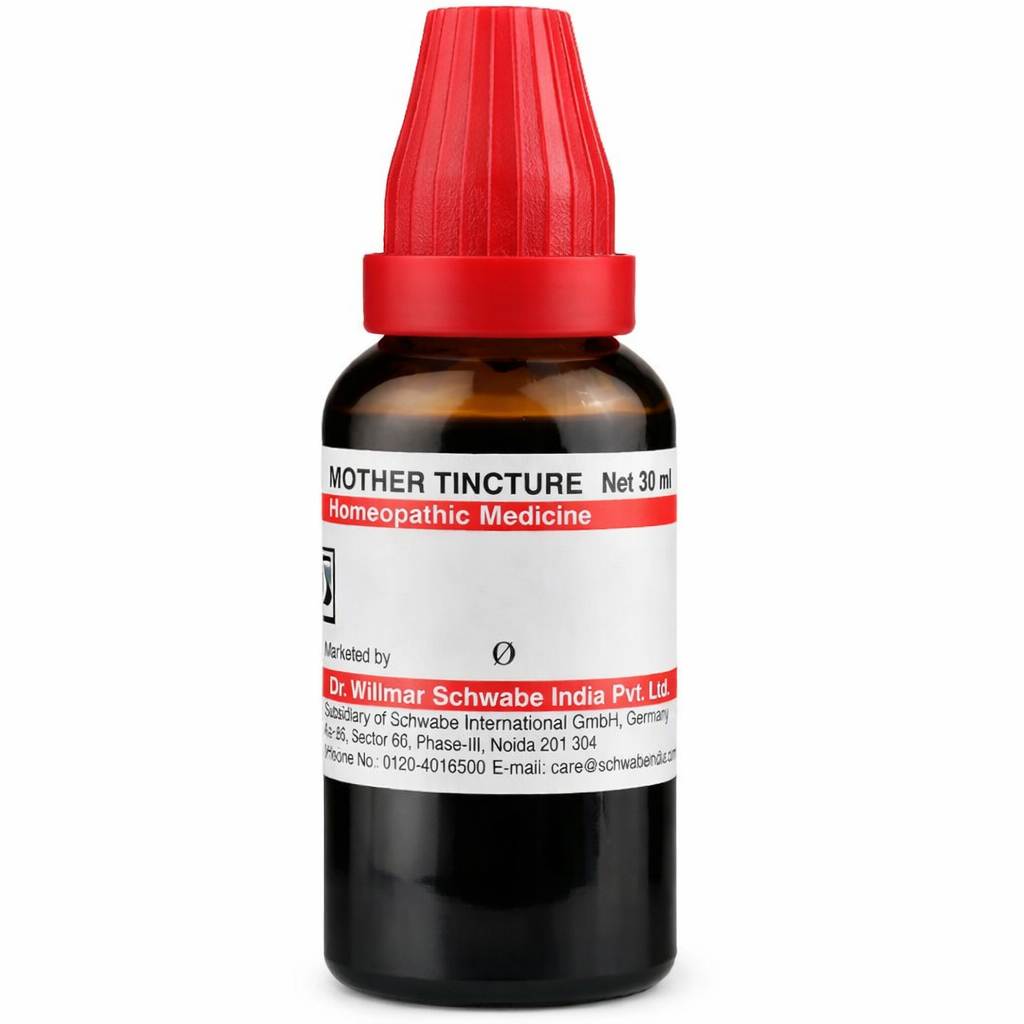
Terebinthinae Oleum mother tincture (Q) is a carefully prepared homoeopathic extract derived from oil of turpentine, obtained from the pine tree. This authentic mother tincture serves as the undiluted base extract used in homoeopathic preparations. Moreover, it retains the full therapeutic strength of the original material. Practitioners traditionally recommend Terebinthinae Oleum mother tincture for kidney and urinary tract disorders, including haematuria and burning urination. Furthermore, it has a well-established reputation for addressing haemorrhagic and inflammatory conditions in homoeopathic practice.
Key Benefits and Therapeutic Uses
Terebinthinae Oleum Q is valued in homoeopathic practice for a wide range of sootheth concerns. Additionally, its broad application makes it one of the most relied-upon preparations for urinary and renal complaints. The primary indications include:
- Haematuria — blood in urine — Indeed, this is the most prominent use of Terebinthinae Oleum Q
- Burning and painful urination — Moreover, many practitioners rely on it for urinary tract inflammation
- Kidney and bladder disorders — Furthermore, clinical experience supports its use in kidney wellness concerns and bladder discomfort
- Haemorrhagic tendencies — Consequently, it finds wide application in cases with bleeding from mucous membranes
- Tympanitis and abdominal distension — Therefore, it is a valuable addition to any homoeopathic support plan for gastrointestinal inflammation
As a result of these wide-ranging properties, Terebinthinae Oleum mother tincture (Q) is manufactured by all three major homoeopathic companies — Schwabe, SBL, and BJain — ensuring consistent quality and availability.
How to Use Terebinthinae Oleum Q — Dosage Guidelines
The standard dosage for Terebinthinae Oleum mother tincture is 10–15 drops in half a cup of water, taken 2–3 times daily before meals. However, the exact dosage may vary depending on the individual’s age, constitution, and the condition being supported. Therefore, it is always advisable to consult a qualified homoeopathic practitioner before beginning any mother tincture support. Additionally, maintain a gap of at least 30 minutes between food, drink, or any other medication and the dose. Furthermore, avoid strong smells such as coffee, camphor, or menthol while taking homoeopathic preparations, as these may antidote the preparation.
Why Quality Matters in Mother Tinctures
Mother tinctures are the undiluted herbal extracts that form the foundation of all homoeopathic preparations. Consequently, the quality of raw material and the extraction process are critically important. Furthermore, factors such as authenticity of source material, proper harvesting methods, quality of alcohol used, and the maceration or percolation technique all determine the potency of the final tincture. Indeed, Terebinthinae Oleum mother tincture from reputable brands like Schwabe India, SBL, and BJain undergoes stringent quality controls and GMP-certified manufacturing. Moreover, these manufacturers follow pharmacopoeial standards to ensure every bottle meets therapeutic requirements. Therefore, always choose a trusted brand when purchasing Terebinthinae Oleum Q.
Explore More Homoeopathic preparations
Similarly to Terebinthinae Oleum mother tincture, many other plant-based homoeopathic preparations offer natural therapeutic benefits. You can explore our complete range of homoeopathic mother tinctures, 1X tablet range, bio-chemic salts, and dilutions for comprehensive homoeopathic wellness. For scientific research, visit the Wikipedia article on Turpentine and explore PubMed research on Terebinthinae.
For further reading, you may explore the botanical profile of Turpentine (Terebinthinae Oleum) on Wikipedia, as well as peer-reviewed studies on Terebinthina homeopathy research available on PubMed.

Reviews
There are no reviews yet.