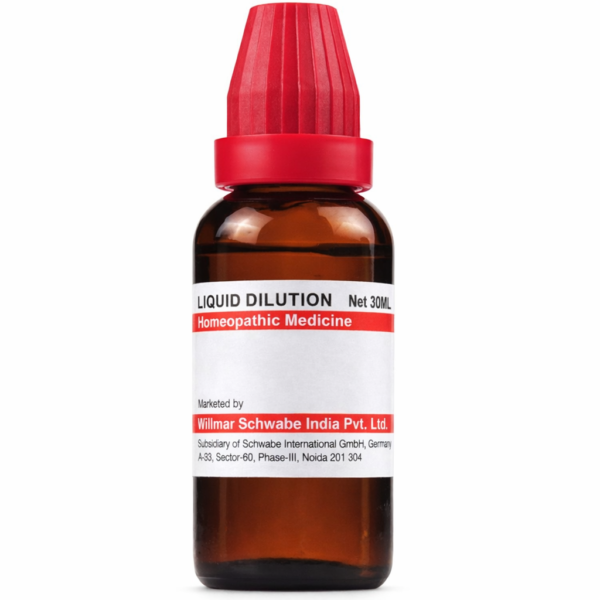


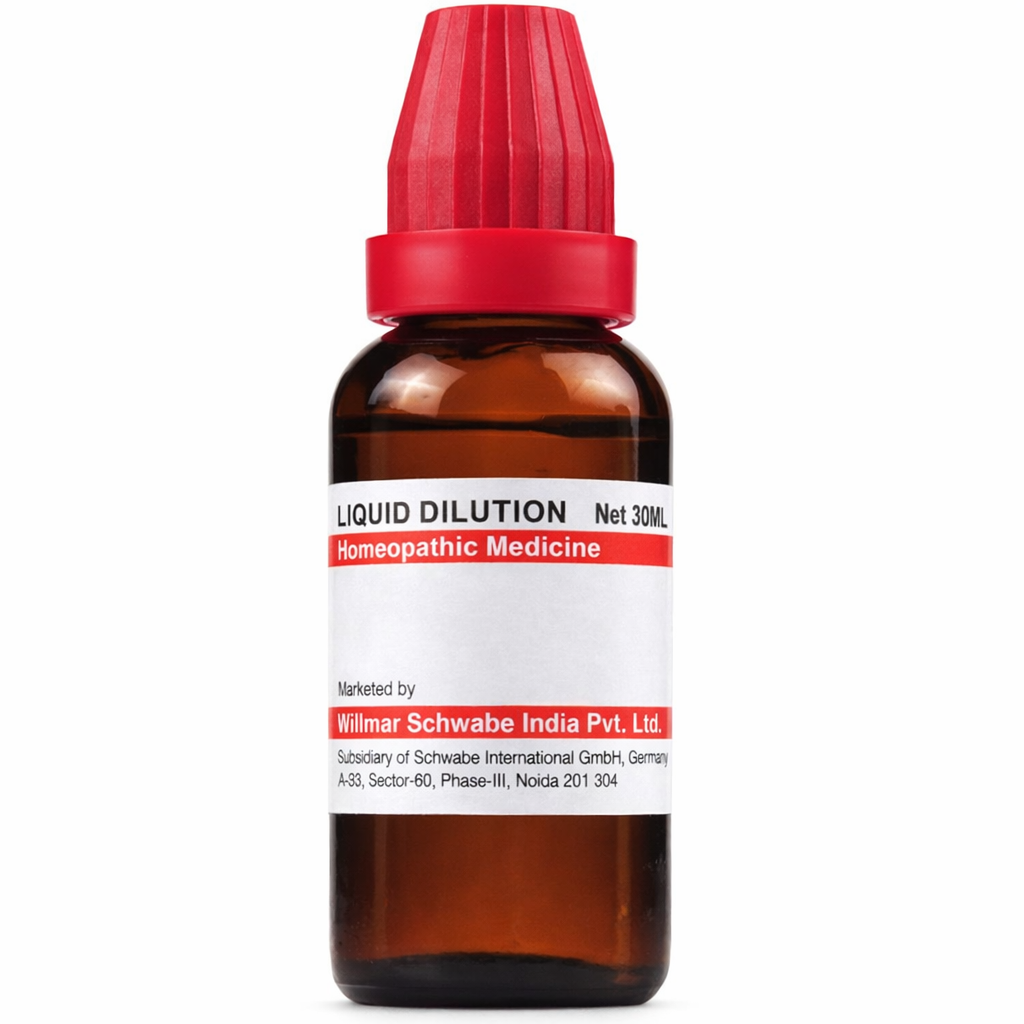
Description
Millefolium Dilution – Overview and Benefits
Millefolium is a well-known homeopathic dilution primarily used for bleeding disorders, hemorrhages, and wound healing. Furthermore, this remedy has a long history of clinical application in homeopathic practice worldwide. Moreover, practitioners frequently recommend this remedy for individuals experiencing hemorrhagic and wound complaints that affect daily well-being.
Key Indications and Uses
The primary indications for this homeopathic dilutions remedy include the following conditions. Additionally, these symptoms have been verified through extensive clinical practice and provings.
- Hemorrhages of bright red blood from various organs
- Nosebleeds that recur frequently without clear cause
- Bleeding from wounds that are slow to stop flowing
- Uterine hemorrhages with profuse bright red bleeding
- Varicose veins with bleeding and heaviness in limbs
Clinical Applications and Research
In clinical homeopathy, Millefolium is widely valued for treating hemorrhagic conditions including nosebleeds, uterine bleeding, and wound-related hemorrhages. Consequently, many homeopaths consider this an essential remedy in their practice. Indeed, research available on PubMed highlights the growing interest in this remedy.
Therefore, this dilution works effectively on both acute and chronic conditions. Nevertheless, it is always advisable to consult a qualified homeopathic practitioner before starting any treatment protocol. Similarly, the dosage and potency selection should be guided by a professional assessment of individual symptoms and overall constitution. For further information about this remedy, you may also refer to the Wikipedia article on this subject.
Potency and Availability
Millefolium dilution is available in multiple potencies including 6C, 30C, 200C, 1M, and 10M at Homeopathy Depot. In addition, you can purchase this remedy from top brands like BJain, SBL, and Schwabe. However, the choice of potency depends on the severity and nature of the condition being treated. Lower potencies like 6C and 30C are generally suitable for mild and acute complaints. Conversely, higher potencies such as 200C, 1M, and 10M are typically reserved for chronic and deep-seated conditions under professional guidance.