

Description
Gnaphalium Polycephalum Mother Tincture – Overview
Gnaphalium Polycephalum Mother Tincture is a well-established remedy for sciatic nerve pain and associated numbness. It comes from the Cudweed plant, which has been used in traditional and homeopathic medicine for generations. Moreover, it closely resembles Gnaphalium Leontopodium in its action but has distinct indications of its own.
Key Benefits and Uses
This tincture is particularly valuable for several nerve and pain conditions. First, it provides relief from sciatica with intense pain and cramping. Additionally, it helps with numbness and tingling that alternate with pain. It is also useful for lower back pain and hip stiffness. Furthermore, homeopaths recommend it for rheumatic pains in the joints and muscles. Many elderly patients also benefit from its action on chronic nerve complaints.
How It Works
Gnaphalium Polycephalum acts on the nervous and musculo-skeletal systems. It reduces nerve sensitivity and inflammation. As a result, pain and numbness gradually diminish over time. It also has a mild antispasmodic action on cramped muscles. Therefore, it suits conditions where pain and numbness occur together or alternately.
Dosage and How to Use
Take 10 drops in half a cup of water two to three times a day. Always follow the guidance of a certified homeopathic physician. Shake the bottle before each dose. Keep the tincture in a cool, dry location away from sunlight. Do not exceed the recommended dosage without medical advice.
Available Sizes
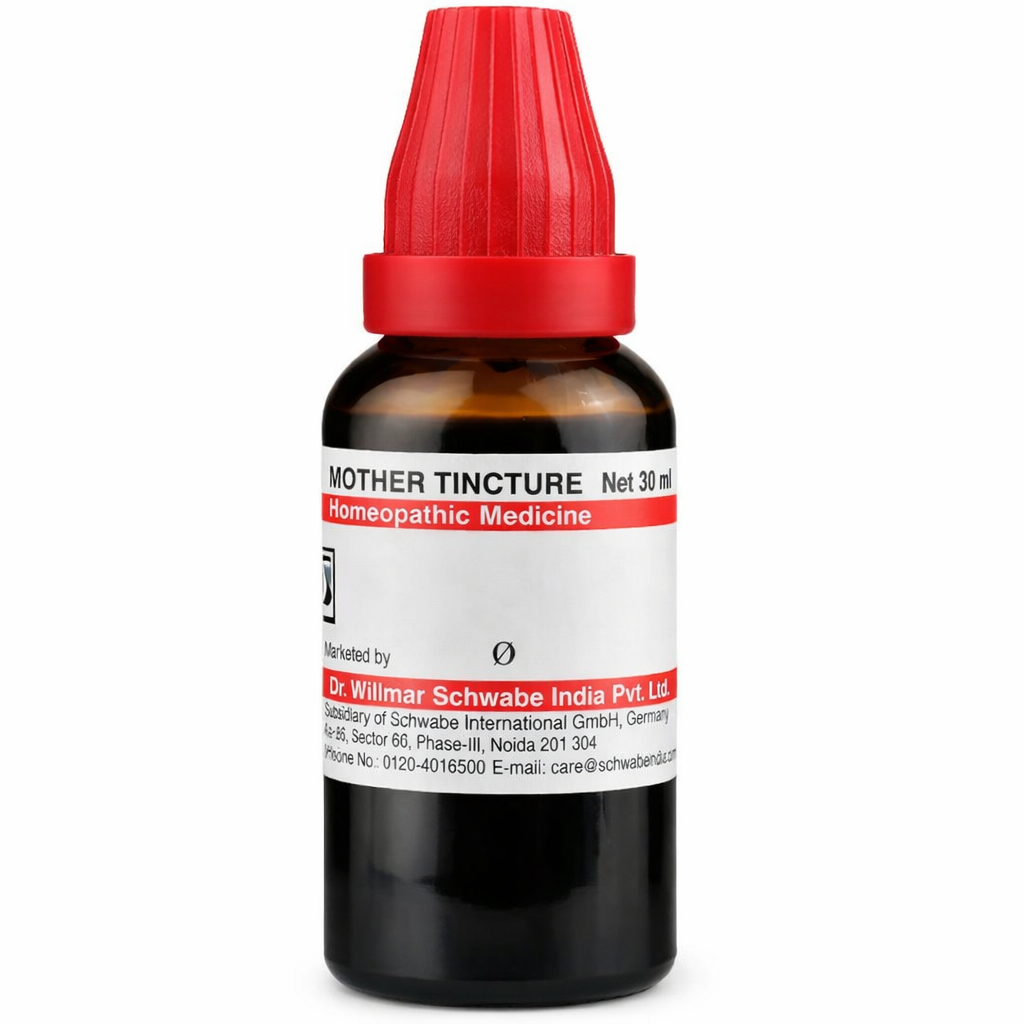
This tincture is available in 30ml and 100ml sizes. We source it from reputed brands including Schwabe, SBL, and BJain to ensure consistent quality.
Why Choose Homeopathy Depot
Trust Homeopathy Depot for authentic, high-quality homeopathic products. We also provide knowledgeable customer support and fast delivery across the USA. Browse our extensive Mother Tinctures catalogue for more options. We are your reliable homeopathy partner.
Further Reading
Learn more about Gnaphalium Polycephalum from trusted external sources: Wikipedia – Gnaphalium Polycephalum | PubMed Research on Gnaphalium Polycephalum.